The Green Boots on Mount Everest: The Tragic ...
22 August, 2026
Read More
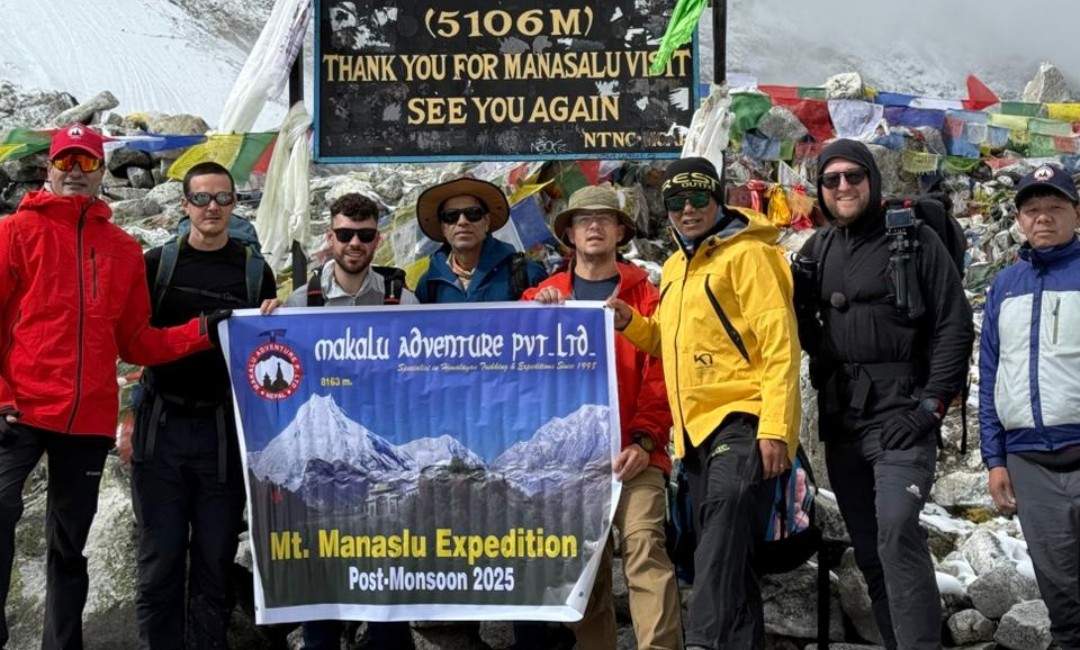
The Manaslu Circuit Trek is a crown jewel of the Himalayas, a journey that whispers of untouched landscapes, ancient cultures, and a raw, untamed beauty that has begun to fade on more popular trails. Circling the world's eighth-highest mountain, Mt. Manaslu (8,163m), this trek offers a perfect blend of challenging passes, serene valleys, and a deep cultural immersion into the Tibetan-influenced villages of the Nubri and Tsum valleys.
However, the very factors that make Manaslu so special also demand careful preparation. This isn't a trek you can decide to do on a whim. It requires planning, respect for local customs, and a clear understanding of the challenges and rewards.
As your trusted partner in adventure, Makalu Adventure has crafted this definitive guide covering all the essential things you need to know before embarking on the Manaslu Circuit Trek.
One of the most critical aspects of planning your Manaslu trek is navigating the permit system. The entire region is a protected conservation area, and access is strictly controlled to preserve its fragile ecosystem and culture. You cannot trek here independently without the proper paperwork.
| Manaslu Restricted Area Permit (RAP) | This is the most important permit. It requires that you trek with a registered Nepali trekking agency (like Makalu Adventure) and a licensed guide. The cost is variable, depending on the season:
|
| Manaslu Conservation Area Project (MCAP) Permit | This permit goes towards the conservation and development of the region. It costs around NPR 3,000 (approximately USD 25) per person. |
| Annapurna Conservation Area Project (ACAP) Permit | Since the trek ends in the Annapurna Conservation Area (after crossing the Larkya La Pass), you will also need this permit. It costs around NPR 3,000 (approximately USD 25) per person. |
Your trekking agency will handle all the permit applications. You'll need to provide a clear copy of your passport and passport-sized photos well in advance. Remember, the RAP is checked at multiple army checkpoints along the trail.
The Manaslu Circuit is considered a moderate to strenuous trek. While the daily walking hours are typically 5-7, the cumulative altitude gain and the challenge of the Larkya La Pass make it significantly tougher than treks like the Ghorepani Poon Hill or even most of the Everest Base Camp route.
The challenge of the Manaslu Circuit Trek is multi-faceted, stemming from a combination of physical, environmental, and logistical factors that demand respect and preparation.
First and foremost is the significant factor of High Altitude. The trek's ultimate test is the crossing of the Larkya La Pass, which soars to a dizzying 5,106 meters (16,752 feet). At this elevation, the air is thin, and oxygen is scarce, pushing the human body to its limits. Proper acclimatization is not merely a suggestion but a non-negotiable requirement for a safe journey. A carefully planned itinerary with built-in rest days is essential to allow your body to adapt gradually and to avoid the serious risks of Acute Mountain Sickness (AMS), which can be life-threatening if ignored.
Compounding the altitude are the Long Ascents and Descents that characterize the trail. This is not a gentle walk in the hills. Be prepared for sustained, steep climbs, particularly on the days leading to the pass and the immediate ascent to the summit itself. However, the challenge does not end at the top. The descent from the Larkya La is notoriously long and arduous, placing immense strain on the knees and quadriceps as you navigate a seemingly endless path of loose rock and scree. This relentless pounding on the downhill sections can be as mentally and physically taxing as the climb.
Further adding to the trek's demanding nature are the Remote and Basic Conditions. Unlike the more commercialized Everest region, the Manaslu Circuit retains a raw, frontier feel. Tea houses are more basic, with limited menus, simple shared accommodations, and often no heating outside the common dining room. The trail itself can be more rugged and less maintained. This remoteness also has serious safety implications; there are no roads for vehicle access, meaning that any emergency evacuation is a lengthy and complex process, often relying on helicopter support if weather permits.
Finally, trekkers must be prepared for Extremely Variable Weather. The mountain climate is notoriously fickle, and conditions can change in an instant. A bright, sunny morning can swiftly transform into a biting snowstorm, particularly on the exposed heights of the Larkya La Pass. Trekkers must be equipped for a wide range of conditions, from intense sun to high winds, freezing temperatures, and snowfall, even outside the winter months. This unpredictability requires constant vigilance and a flexible mindset, as weather can significantly impact trail conditions and summit success.
You should start training at least 2-3 months in advance. Focus on:
The timing of your trek can make or break your experience. The ideal windows are:
| Season | Months | Remarks |
|---|---|---|
| Autumn | Post-Monsoon - October to November | This is the prime season. The skies are crystal clear, the air is fresh, and the mountain views are absolutely spectacular. The weather is stable, though nights are very cold. This is also the busiest time. |
| Spring | Pre-Monsoon - March to May | The second-best season. The trails are adorned with brilliant rhododendron blooms, and the weather is generally pleasant. There is a higher chance of haze, but the views are still excellent. |
| Seasons to Avoid | ||
| Winter | December to February | Extremely cold, especially at higher elevations. The Larkya La Pass can be blocked by heavy snow, making it dangerous or impassable. |
| Monsoon | Pre-Monsoon - March to May | The trail is slippery, leech-infested, and the mountains are often shrouded in clouds. Landslides are a real risk. |
Packing right is crucial for comfort and safety. The key is to use a layering system.
Essential Gear Checklist:
A standard Manaslu Circuit trek takes14-16 days, starting with a scenic drive from Kathmandu to Soti Khola or Machha Khola and ending with a drive back from Dharapani or Besishahar.
Cultural Highlights:
Accommodation is in basic, family-run teahouses. Don't expect luxury. Rooms are typically twin-sharing with a simple bed and mattress. As you go higher, heating is only available in the common dining room, which is warmed by a stove (often burning yak dung). The food is hearty and carb-heavy&mdashdal bhat (lentil soup with rice) is the most reliable and energizing meal.
While not as expensive as a guided Everest expedition, the Manaslu Circuit requires a careful budget.
It is legally mandatory to have a guide for the Manaslu Circuit, but beyond the rule, it is highly recommended.
At Makalu Adventure, we are committed to the ethical treatment of our guides and porters, providing them with proper gear, insurance, and fair wages.
You are a guest in a remote and culturally sensitive region. Your behavior matters.
The Manaslu Circuit is for the trekker who seeks adventure beyond the beaten path. It's for those who are willing to trade some comforts for unparalleled solitude and a profound sense of accomplishment. It challenges your body, rewards your spirit, and leaves you with memories of majestic peaks and heartfelt encounters with the resilient people of the Himalayas.
The challenges are real, but with meticulous preparation, a respectful attitude, and a trusted partner like Makalu Adventure, the Manaslu Circuit Trek can be the most rewarding journey of your life.
Ready to take on the challenge? Contact Makalu Adventure today to start planning your unforgettable Manaslu Circuit Trek. Our experienced team is here to handle all the details, ensuring a safe, seamless, and truly magical Himalayan adventure.
![Complete Guide to Mera Peak Climbing 2026 [Updated]](https://makaluadventure.com/public/uploads/frontend/thumb/mera_peak_climbing_168883208074961.jpg)