Trip Overview
Journey across the extraordinary Tibetan Plateau from the spiritual heart of Lhasa to the northern side of Mount Everest, travelling through ancient monasteries, sacred lakes, high Himalayan passes, traditional Tibetan settlements and some of the most dramatic mountain landscapes in Asia.
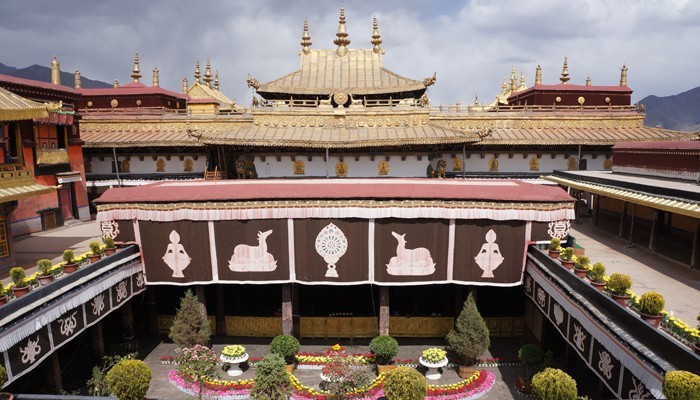
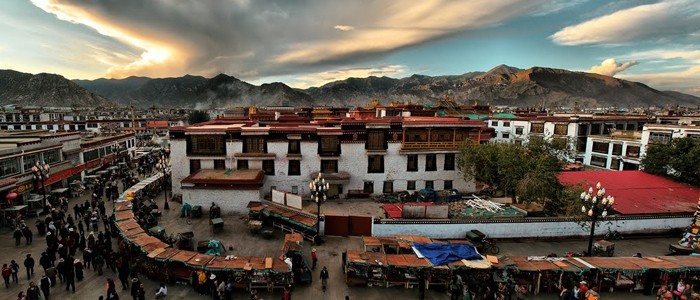
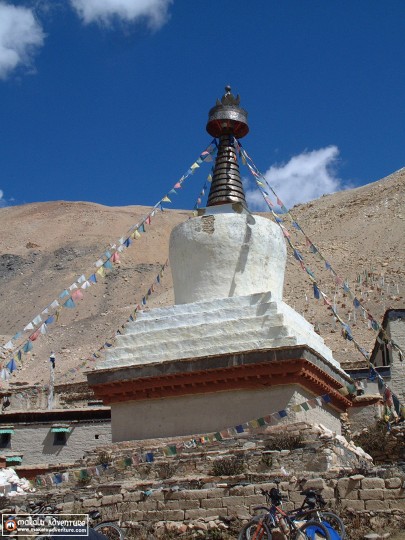
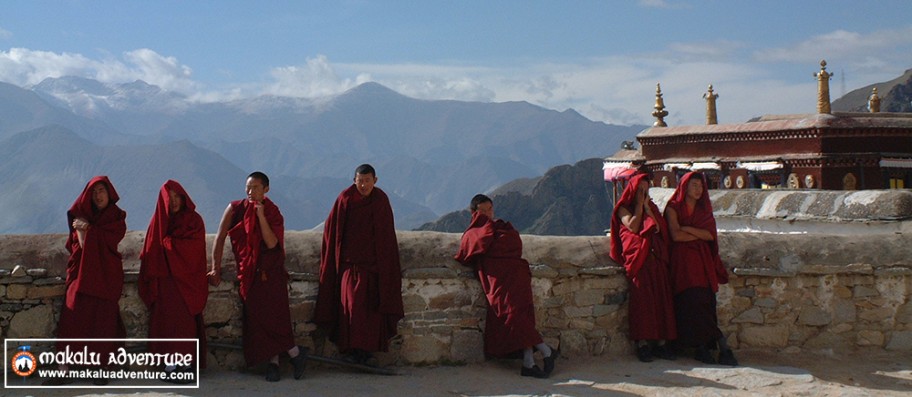
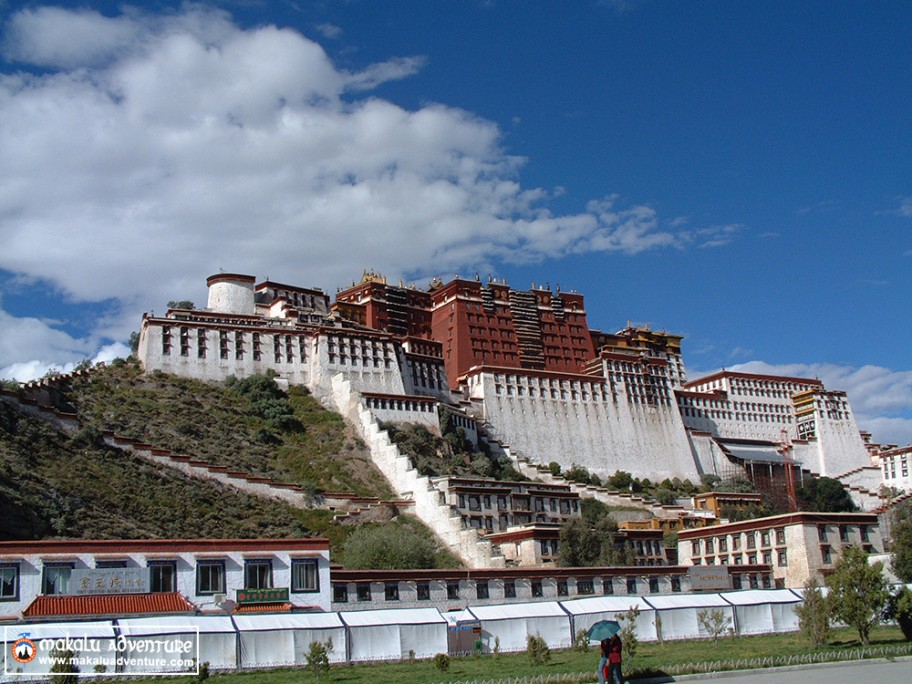
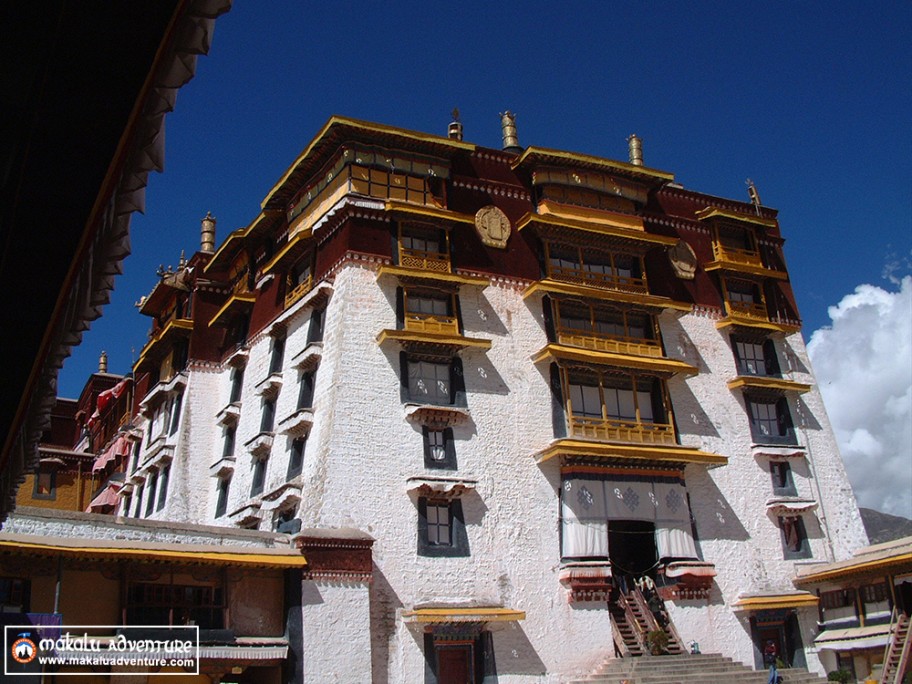
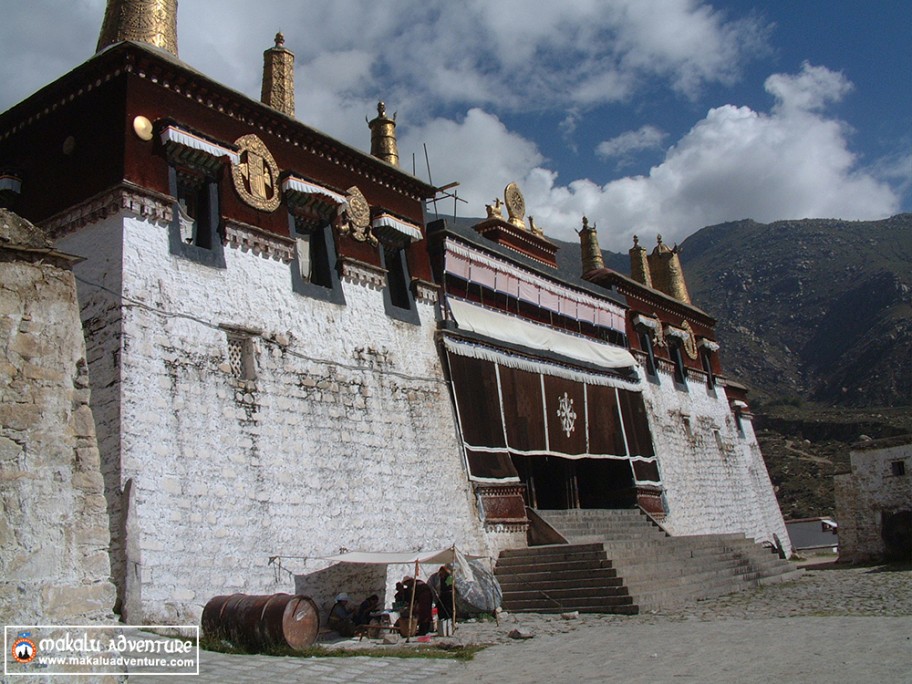
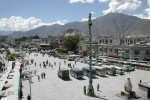
The Lhasa to Everest Base Camp Overland Tour combines Tibet's cultural treasures with a spectacular journey across the Himalayas. Beginning in Lhasa, the historic and spiritual centre of Tibet, the tour allows time to adjust gradually to the high altitude while exploring some of the region's most important Buddhist landmarks.
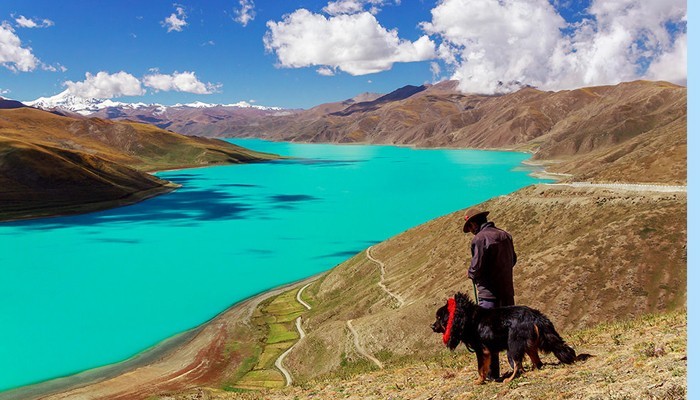
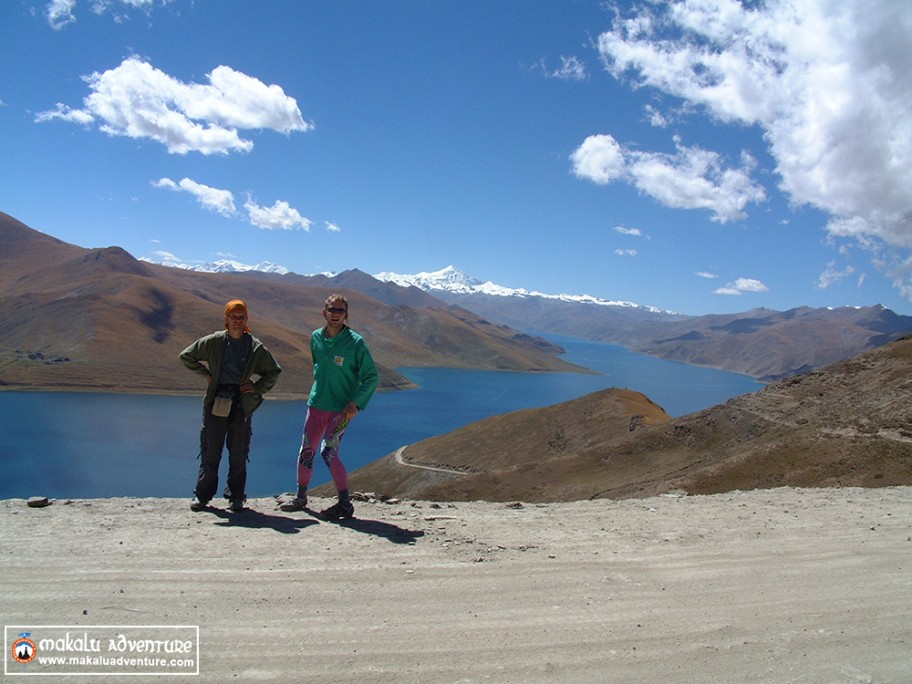
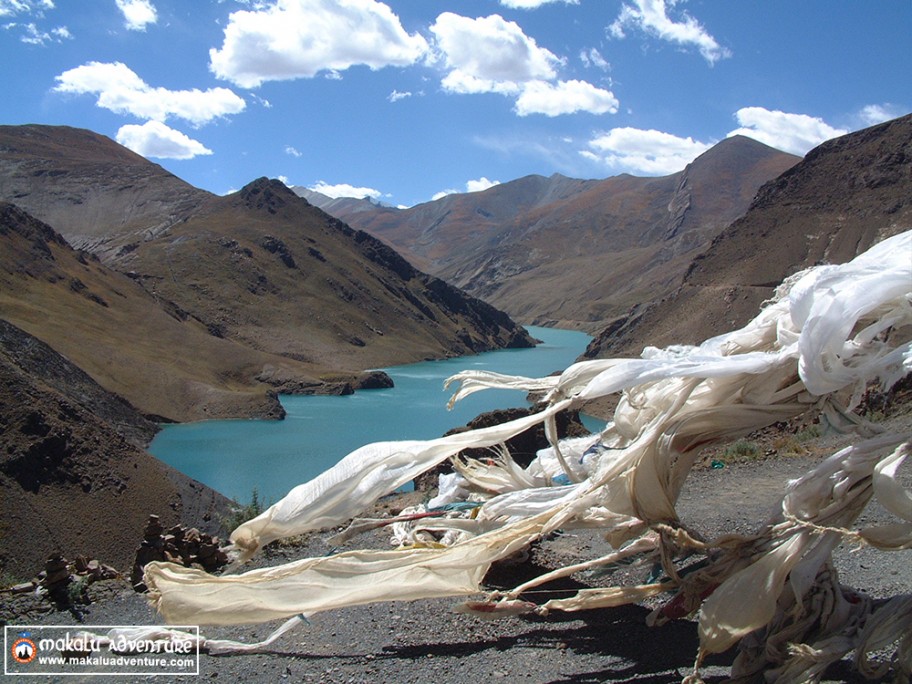
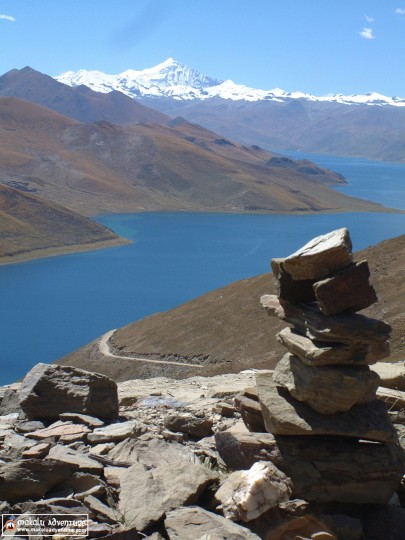
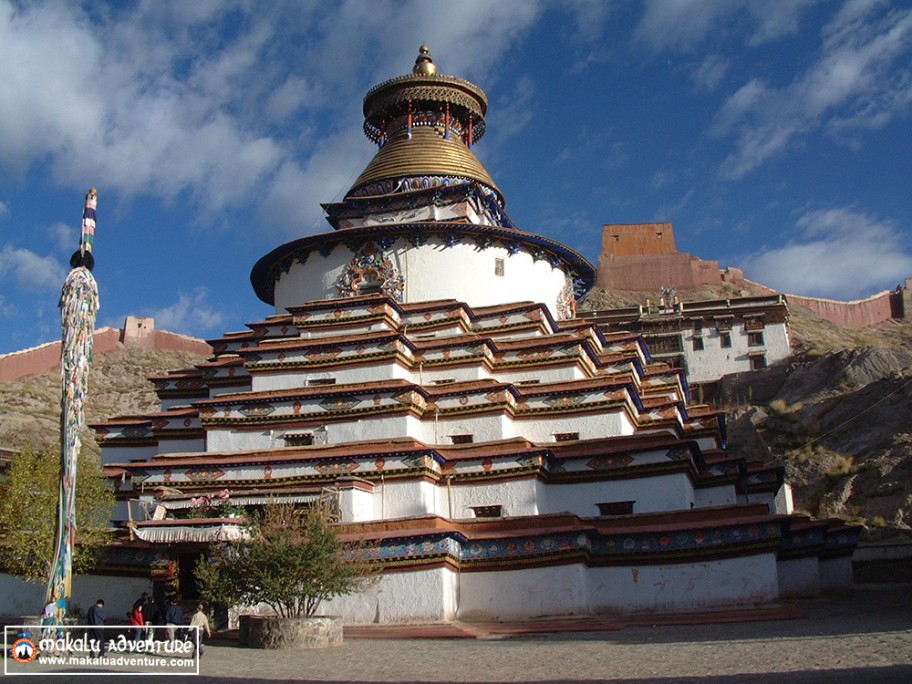
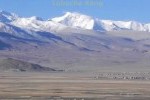
From Lhasa, the journey continues across the Tibetan Plateau towards Gyantse and Shigatse, passing the brilliant turquoise waters of Yamdrok Lake, glaciers, mountain passes, barley valleys and remote Tibetan communities. Shigatse introduces another important centre of Tibetan Buddhist culture before the route turns towards the vast landscapes of Tingri and Mount Everest.
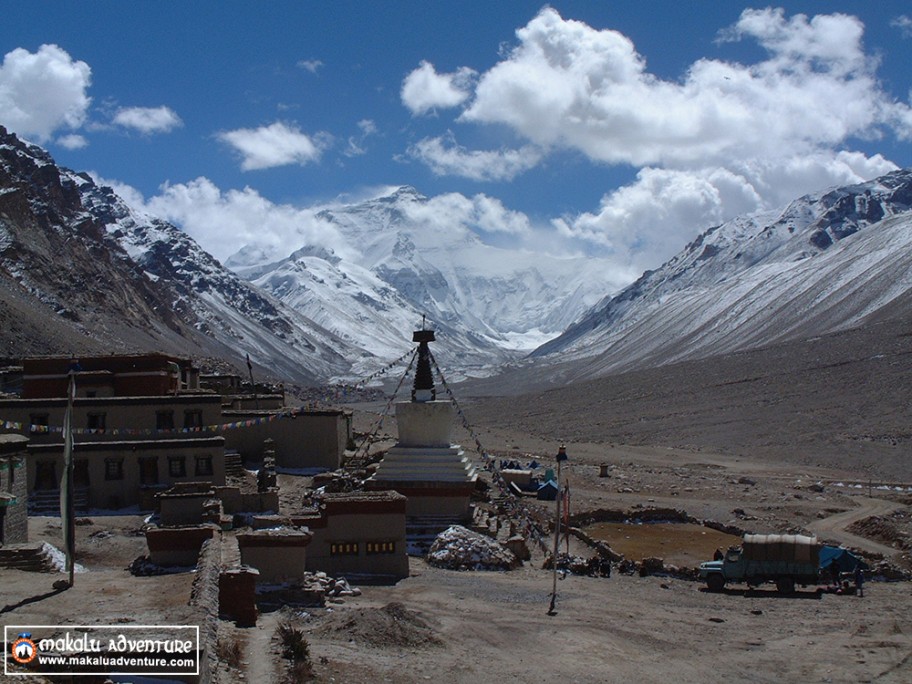
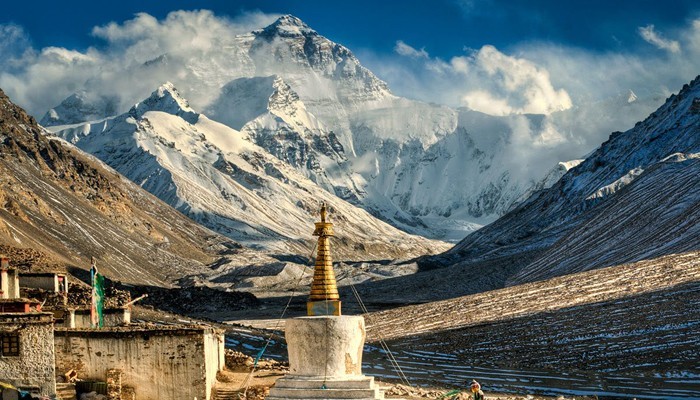
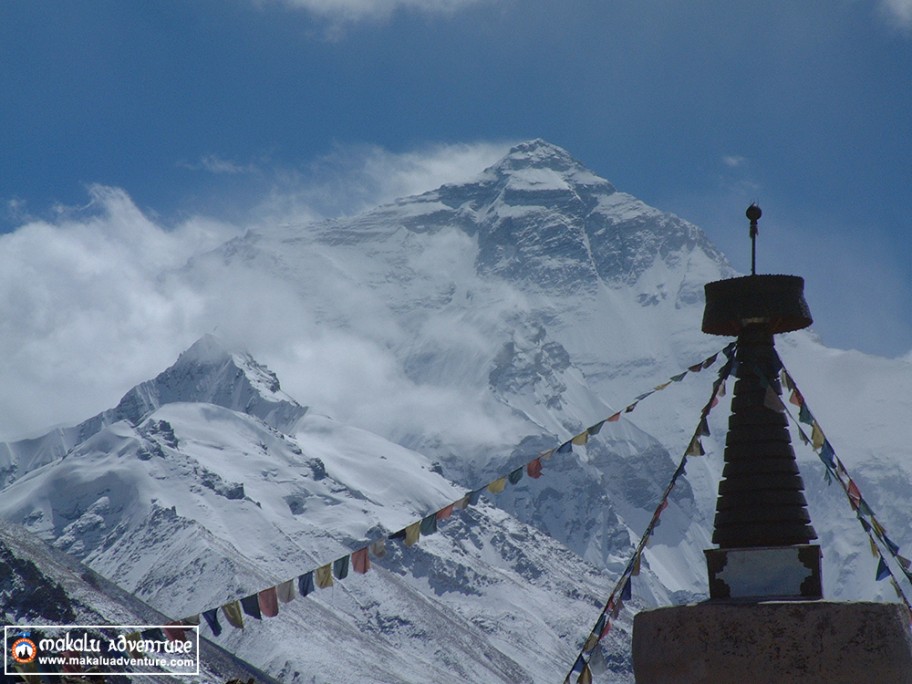
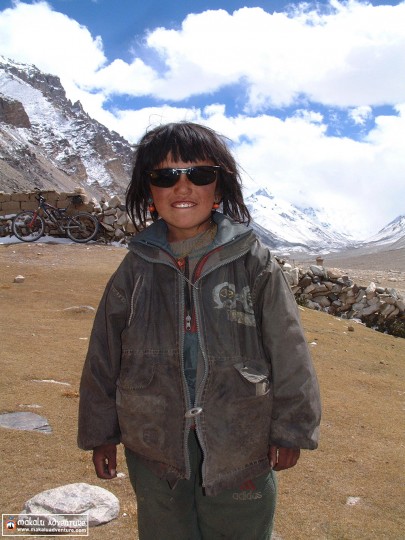
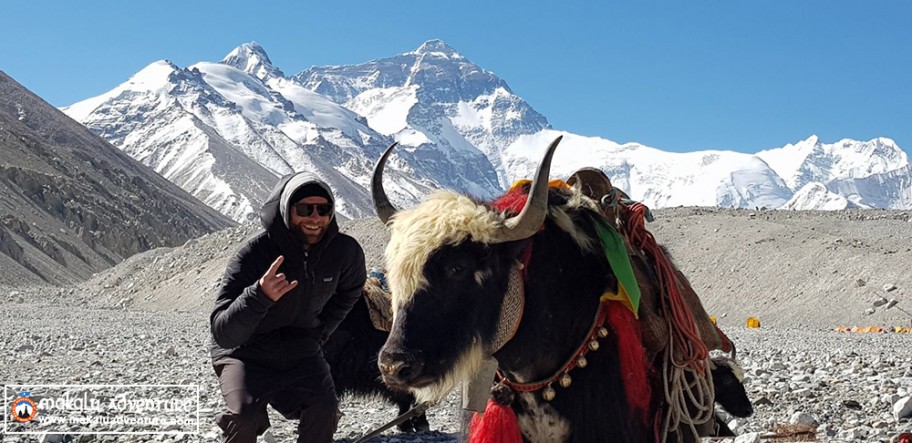
The highlight comes at Rongbuk and the Everest Base Camp area, where the enormous North Face of Mount Everest dominates the Himalayan skyline. Unlike the trekking approach from Nepal, Tibet provides the opportunity to reach the Everest region largely by road, making this an exceptional option for travelers wanting to experience Everest without undertaking a long multi-day trek.
After Everest, descend from the high Tibetan Plateau toward the greener Himalayan valleys near the Nepal border, completing an unforgettable overland crossing from Tibet toward Nepal.
This is more than a sightseeing journey. It is a gradual transition from ancient Tibetan cities to some of the highest landscapes on Earth, and finally from the dry plateau into the deep Himalayan valleys connecting Tibet and Nepal.
Best Time to Travel
The most popular periods for the Lhasa to Everest journey are generally:
April to June
Spring brings gradually warmer temperatures, clear mountain scenery and favorable conditions for overland exploration.
September to October
Autumn is one of the strongest periods for Himalayan views, with generally stable conditions and excellent visibility.
Travel is possible during other periods depending on permits, road access, border operations and weather conditions.
Winter can bring very cold temperatures, particularly around Everest, while summer can bring cloudier weather and rain to some sections of the journey.