Trusted by travelers from around the world
Read real stories from travelers who explored mountains, rivers, trails, cultural routes, and once-in-a-lifetime journeys with Makalu Adventure.
Activity Level
Challenging
Duration
47 Days
Suitable For
10 to 79 years old
Best Season
Mar-May / Sep-Dec
Region / Country
Nepal
Group Size
On Request
Annapurna 1 is considered to be one of the most difficult Himalayan peaks, with many objective dangers. An ascent involves sections where alpine techniques are required including rock and ice climbing up to ED standard. Much of the route will be fixed by the climbing guides but members must be comfortable on such ground!
First summited in 1950 by a team led by Maurice Herzog and Louis Lachenal, Annapurna 1 holds a special place in the history of mountaineering. Its challenging terrain and unpredictable weather have tested the skills of even the most seasoned climbers. The peak's allure lies not only in its height but also in the spirit of adventure and exploration that it embodies.
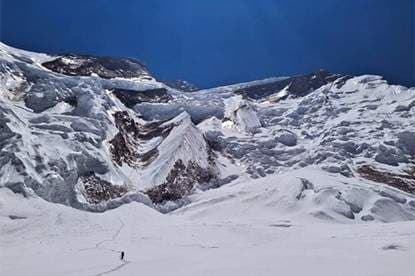
Annapurna I rises to 8,091 metres and is one of the toughest and most challenging mountains in the world. The climb involves steep, highly technical ice and snow routes that demand strong skills and high-altitude experience. With Makalu Adventure, you are guided by elite Sherpa climbers who ensure full safety, expert support, and careful planning at every stage of the expedition, giving you the confidence to take on this legendary Himalayan peak
The Annapurna range is a collection of beautiful mountains: Annapurna 1 (8,091m), Annapurna II (7,937 m), Annapurna III (7,855 m), Annapurna IV (7,525 m), Mt. Annapurna South (7219 m). As you approach the summit of A1 other great peaks come into view: Himchuli (6,441 m), Dhaulagiri I, (8,163 m), Dhaulagiri II, (7,751 m), Nilgiri (6,940 m.) Machhapuchre (6,993 m) and Lamjung Himal (6,931 m).

Prepare to be awestruck by the breathtaking panoramic views from Annapurna I Base Camp. The majestic peaks, stunning glaciers, and vibrant sunrises make every step of the journey worth it. Don't forget your camera - you'll want to capture these views forever!
Nature lovers, rejoice! The Annapurna region is teeming with diverse flora and fauna, from blooming rhododendrons to elusive snow leopards. Keep your eyes peeled for unique plant species and wildlife sightings that will make your trek even more memorable.
One of the highlights of the Mt. Annapurna I expedition is the opportunity to interact with local communities along the way. From sharing a cup of tea with villagers to learning about their daily lives, these encounters offer a unique insight into the rich culture of Nepal.
Immerse yourself in Nepalese traditions and customs as you trek through ancient villages and sacred sites. From vibrant festivals to age-old rituals, you'll gain a deeper understanding of the cultural tapestry that makes Nepal truly special. So, embrace the customs, respect the traditions, and let the journey enrich your soul.
When it comes to packing for a Mount Annapurna I expedition, every ounce counts. Essential gear like high-altitude clothing, climbing harnesses, ropes, and camping supplies are non-negotiable. Make sure to pack smart and light to maximize efficiency and mobility during the climb.
Training your body to withstand the physical demands of high-altitude climbing is essential. Focus on building strength, endurance, and cardiovascular fitness through a combination of aerobic exercises and strength training. Remember, the fitter you are, the better equipped you'll be to tackle the challenges that lie ahead.
March to May and October to November are considered the best months for climbing Annapurna 1. Although this is one of the challenging and dangerous climbing peak, the mass coming to explore and summit this beautiful mountain is increasing every year.
Mountaineers attempting Annapurna 1 usually choose the easiest route, the North West Face. Of many possible climbing routes the South Face is considered to be the most difficult.
| Arrival Date | Departure Date | Price | Options | Status |
| Mon, Mar 22 2027 | Thru, May 6 2027 | $ 12,500 | Booking Open | Available |
| Tue, Mar 21 2028 | Fri, May 5 2028 | $ 12,500 | Booking Open | Available |
| Tue, Mar 20 2029 | Fri, May 4 2029 | Inquire Now | Booking Open | Available |
| Arrival Date | Departure Date | Price |
| Mon, Mar 22 2027 | Thru, May 6 2027 | $ 12,500 |
| Tue, Mar 21 2028 | Fri, May 5 2028 | $ 12,500 |
| Tue, Mar 20 2029 | Fri, May 4 2029 | Inquire Now |
| Arrival Date | Options | Status |
| Mon, Mar 22 2027 | Booking Open | Available |
| Tue, Mar 21 2028 | Booking Open | Available |
| Tue, Mar 20 2029 | Booking Open | Available |
The Annapurna massif contains six prominent peaks over 7,200 m (23,620 ft.) elevation:
| Mountain | Elevation | Rank (in World) | Coordinate |
|---|---|---|---|
| Annapurna I (Main) | 8,091 m (26,545 ft.) | 10th |  28.595°N 83.819°E |
| Annapurna II | 7,937 m (26,040 ft.) | 16th | 28.539°N 84.137°E |
| Annapurna III | 7,555 m (24,786 ft.) | 42nd | 28.585°N 84.000°E |
| Annapurna IV | 7,525m (24,688ft) | 47th | 28.539°N 84.087°E |
| Annapurna South | 7,219m (23,684ft) | 101st | 28.518°N 83.806°E |
| Gangapurna | 7,455m (24,457ft) | 59th | 28.606°N 83.965°E |
| Mountain | Elevation |
|---|---|
| Annapurna I (Main) | 8,091 m (26,545 ft.) |
| Annapurna II | 7,937 m (26,040 ft.) |
| Annapurna III | 7,555 m (24,786 ft.) |
| Annapurna IV | 7,525m (24,688ft) |
| Annapurna South | 7,219m (23,684ft) |
| Gangapurna | 7,455m (24,457ft) |
| Mountain | Rank (in World) | Coordinate |
|---|---|---|
| Annapurna I (Main) | 10th | 28.595°N 83.819°E |
| Annapurna II | 16th | 28.539°N 84.137°E |
| Annapurna III | 42nd | 28.585°N 84.000°E |
| Annapurna IV | 47th | 28.539°N 84.087°E |
| Annapurna South | 101st | 28.518°N 83.806°E |
| Gangapurna | 59th | 28.606°N 83.965°E |
As you make your way towards the base camp of Mount Annapurna I, understanding the trekking routes and the importance of acclimatization is crucial. Slow and steady wins the race when it comes to adjusting to the altitude and ensuring your body is ready for the ascent to higher elevations.
Acclimatization is your body's best friend when it comes to high-altitude climbing. Gradually ascending to higher elevations allows your body to adjust to the decreased oxygen levels, reducing the risk of altitude sickness. Listen to your body, stay hydrated, and give yourself the time needed to acclimatize properly before pushing towards the summit.
The trek to Annapurna I's base camp offers a stunning mix of landscapes, from lush forests to snow-capped peaks. Popular routes like the Annapurna Circuit and Annapurna Sanctuary provide awe-inspiring views and a glimpse into the unique culture of the region. Take your time to savor the journey and acclimatize effectively along the way.
As you face the technical challenges of Mount Annapurna I, having the right climbing techniques and strategies in your arsenal is essential. From navigating treacherous terrain to mastering the art of ice climbing, every step towards the summit requires focus, skill, and determination.
Annapurna I present climbers with a mix of technical challenges, including steep ice slopes, crevasses, and unpredictable weather conditions. Being prepared to handle these obstacles with precision and care is paramount to a safe and successful ascent. Stay focused, communicate with your team, and trust in your training to overcome these challenges.
Read real stories from travelers who explored mountains, rivers, trails, cultural routes, and once-in-a-lifetime journeys with Makalu Adventure.