Trip Overview
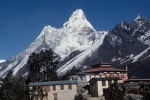
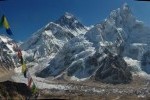
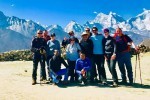
In the valleys of Khumbu & Imja, Everest and other massive peaks of the Eastern Himalayas dominate the skyline. Beautiful, multi-colored prayer flags and intricately carved Mani stones line every trail and pass. With eight of the world's forteen highest peaks, Nepal is not short of spectacular mountain views. On the trek to Island Peak base camp, you will meet friendly Sherpa people, pass through picturesque villages and experience diverse cultures and traditions. The flora and fauna are other gems of the Sagarmatha National Park.
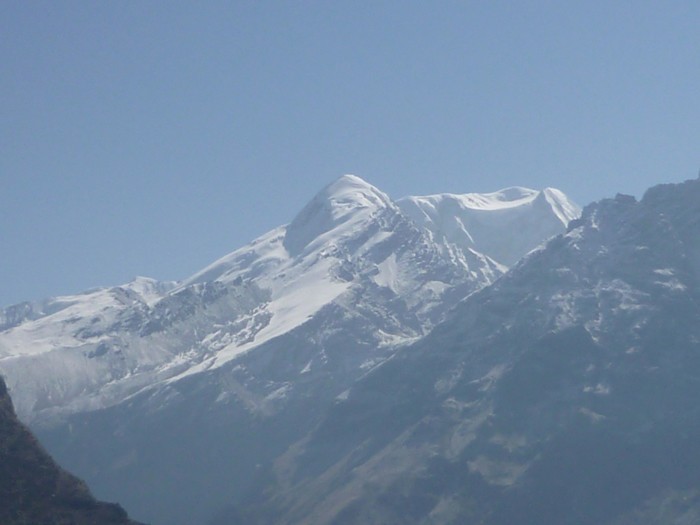
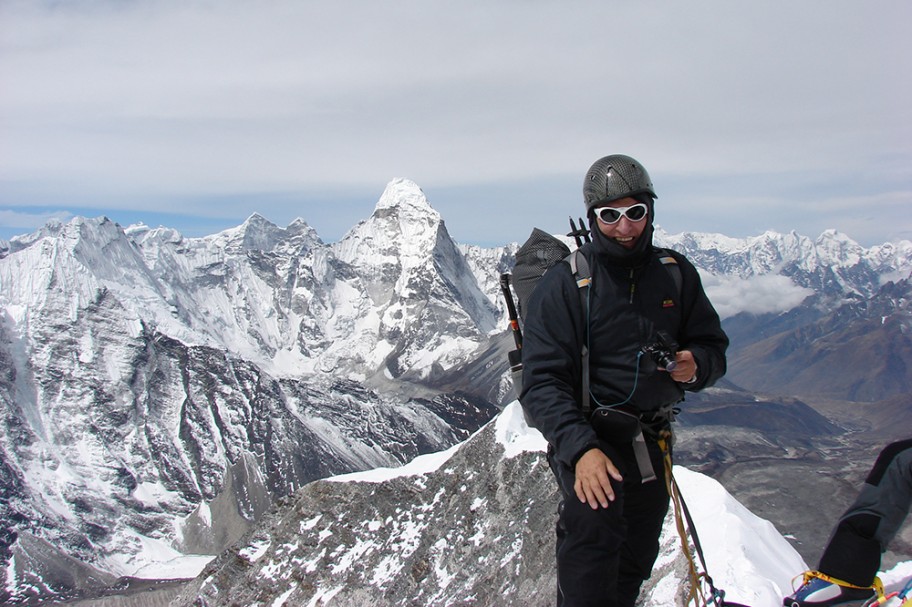
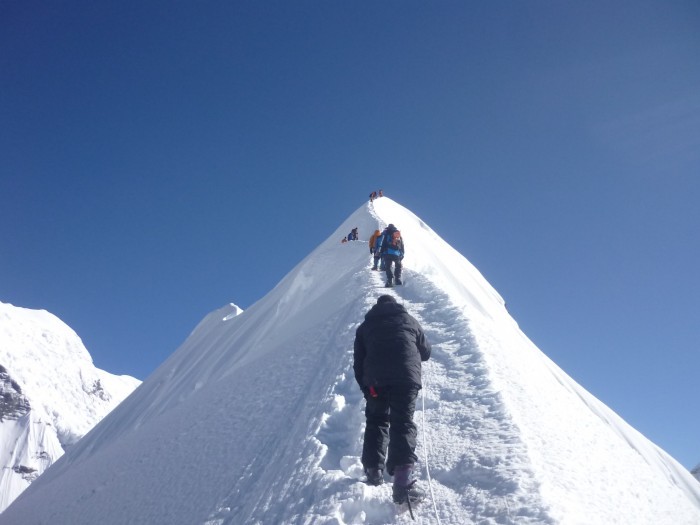
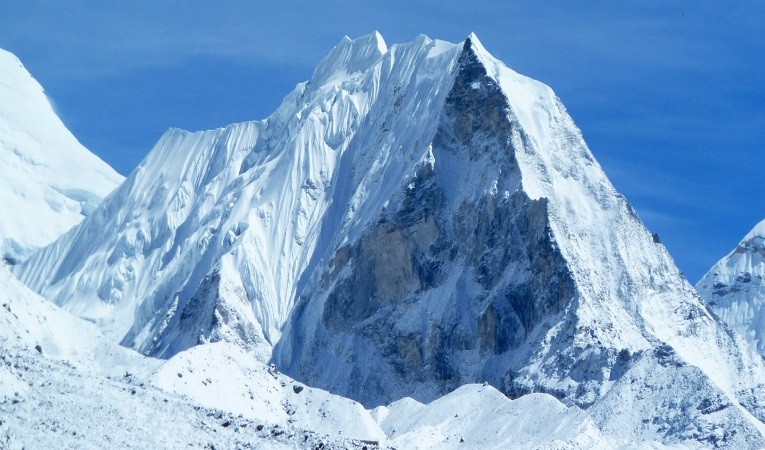
Island Peak, locally known as Imja Tse, is one of Nepal’s most popular trekking peaks and an excellent objective for fit trekkers who want to progress into Himalayan mountaineering. Rising to approximately 6,165 metres, the mountain stands in the Imja Valley of the Everest region, surrounded by some of the most spectacular peaks in the eastern Himalayas.
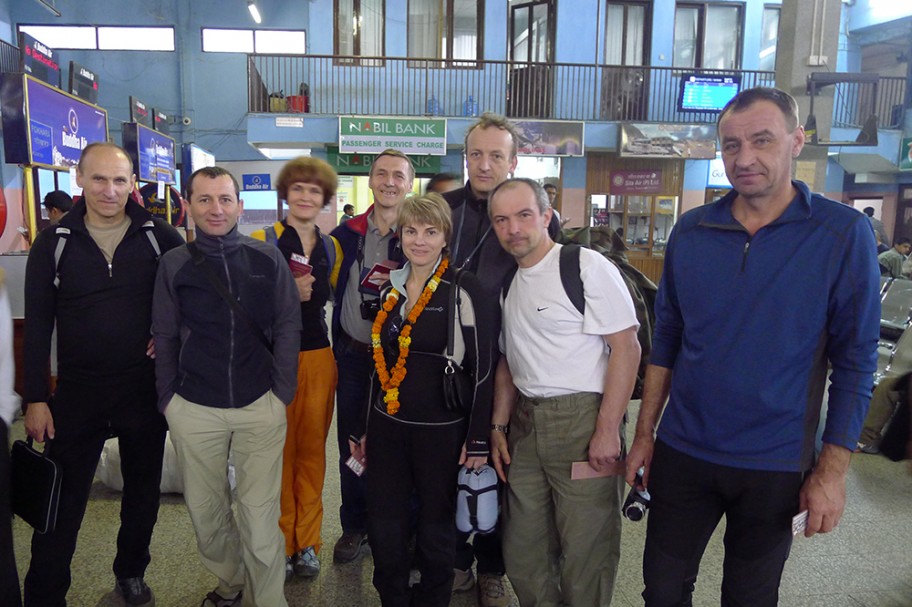
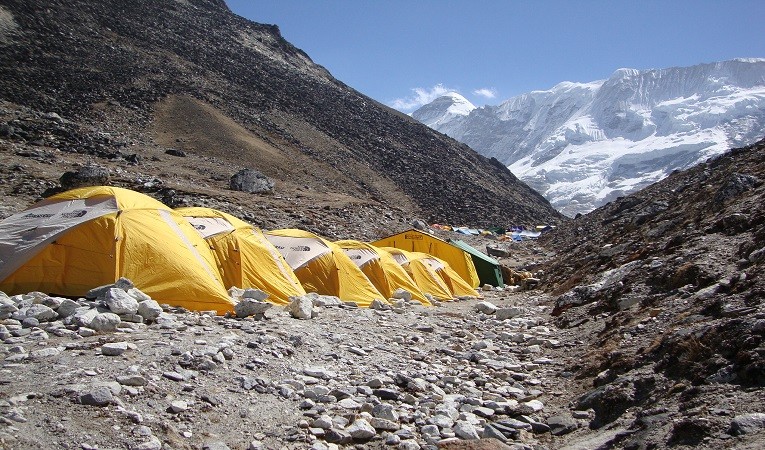
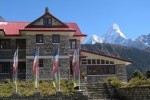
Island Peak expedition starts with an early transfer by coach to Ramechhap for an ‘exciting’ flight to Lukla (2840m). From there the trail heads north along the Dudh Kosi to the Sherpa Capital, Namche Bazaar (344om). On the way you will cross many suspension bridges, some more interesting than others. Two nights will be spent in Namche to aid Altitude Acclimatisation. From Namche it will take two days to reach Dingboche, your next acclimatisation halt. On the way you will visit the Tengboche Monastery, the largest and most splendid Buddhist Monastery in the region. Now in the Imja valley you head for Chhukhung (4730m) for one night before climbing to Inland Peak Base Camp and the start of your ascent.
The journey begins in Kathmandu and continues with a mountain flight to Lukla. The trekking route follows the Dudh Koshi Valley through Phakding, Namche Bazaar, Tengboche, Dingboche and Chhukung. Carefully planned acclimatization days in Namche Bazaar and Dingboche help participants adjust before approaching Island Peak Base Camp.
Island Peak provides a practical transition from high-altitude trekking to mountaineering. Participants experience several essential climbing techniques without committing to a longer and more expensive expedition on a 7,000 or 8,000-metre mountain.
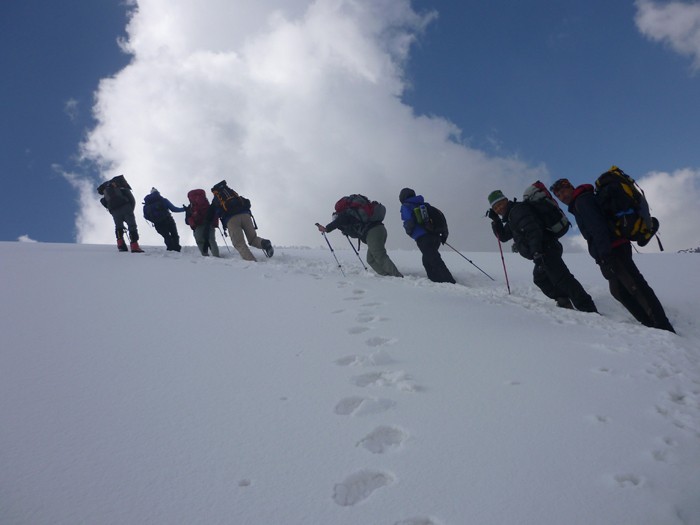
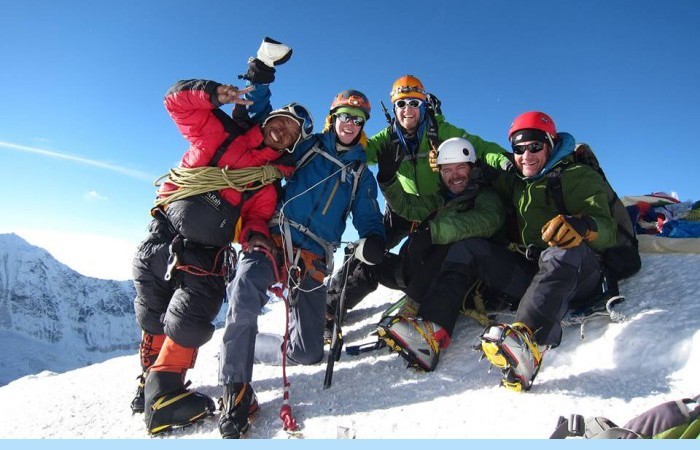
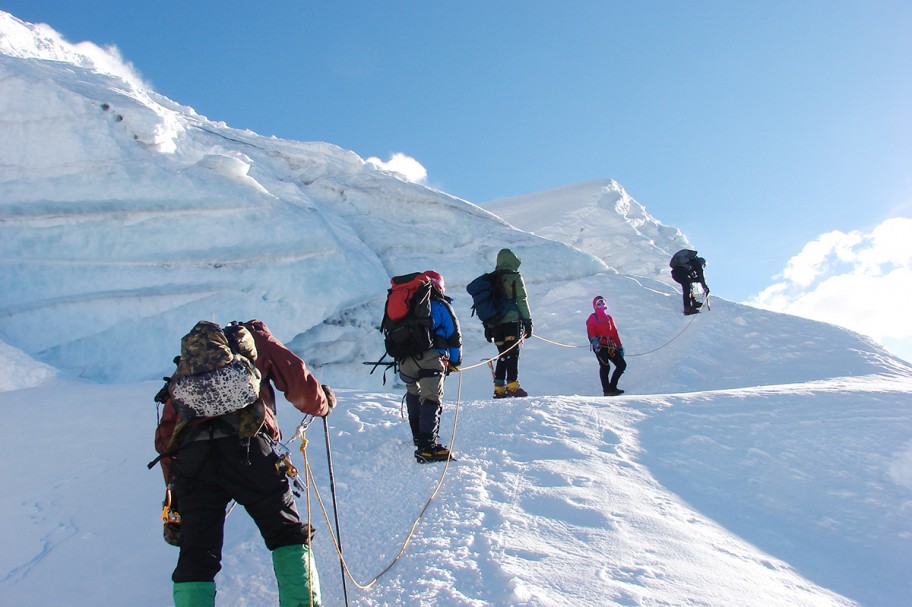
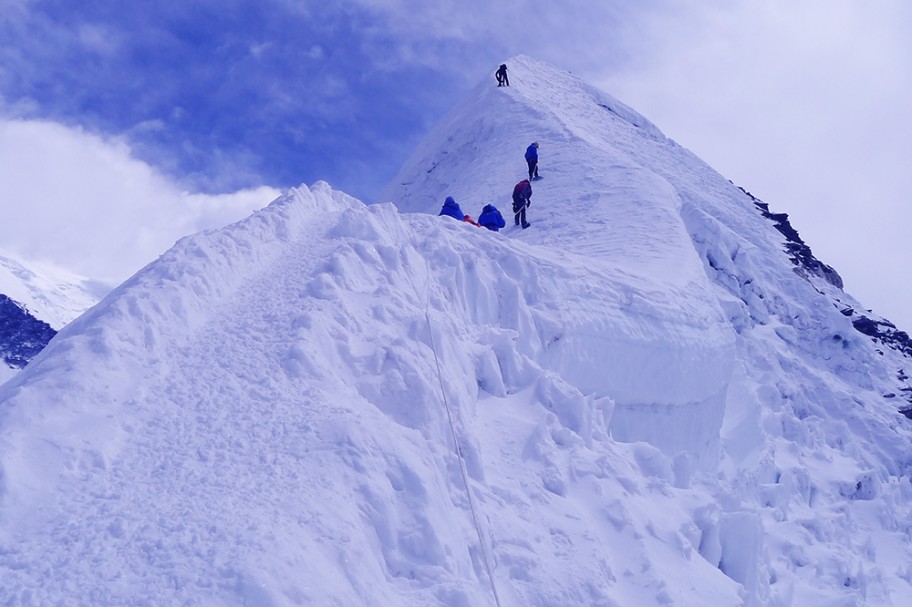
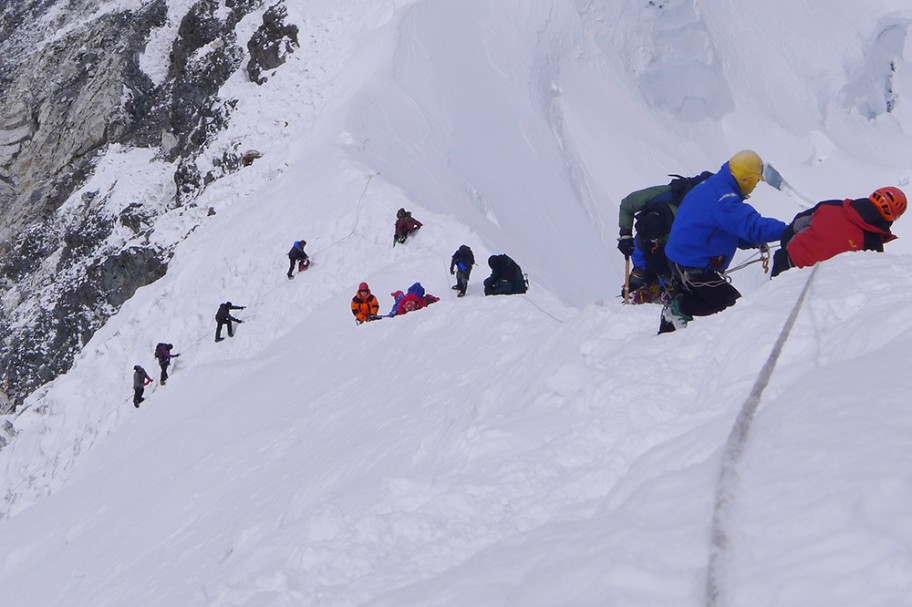
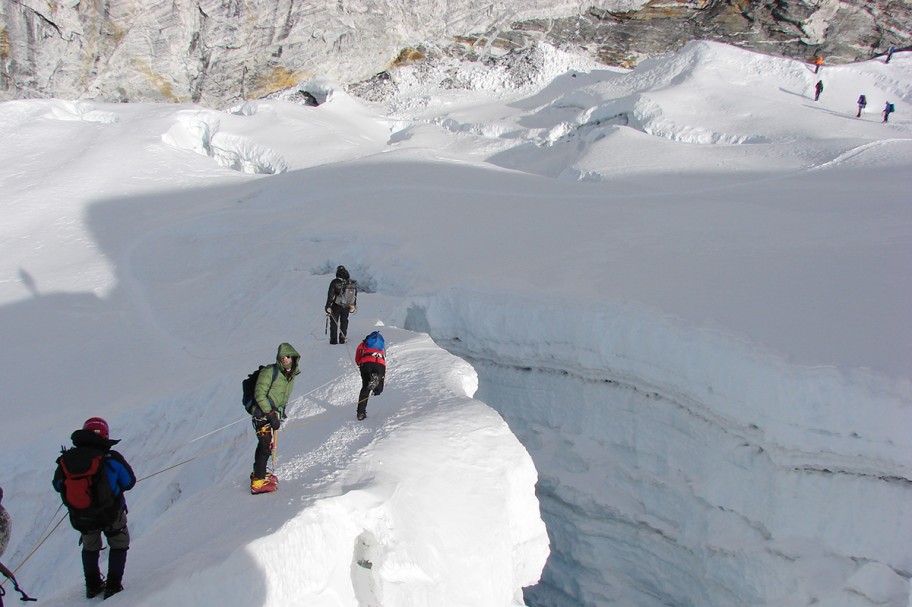
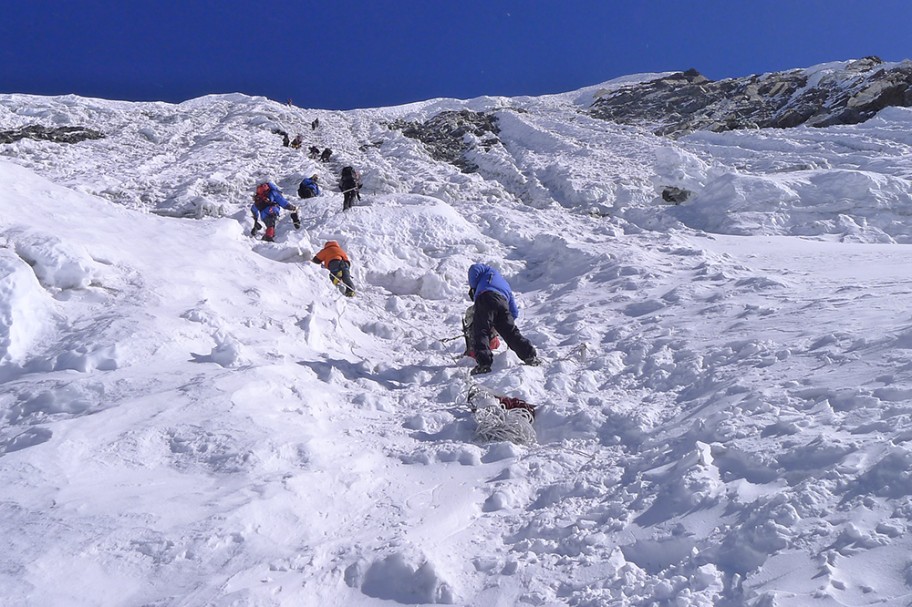
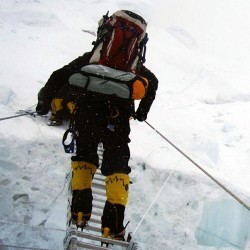
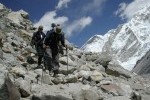
Before the summit attempt, the climbing guide provides practical instruction in using crampons, an ice axe, harness, ascender, descender and fixed ropes. Although Island Peak is often described as an introductory trekking peak, the ascent remains physically demanding and requires excellent fitness, proper acclimatization, mental determination and competent climbing support. Experienced climbing operators classify it as suitable for strong advanced beginners or intermediate climbers with basic mountaineering skills.