Climbing Permits and Fees: A Detailed Overview
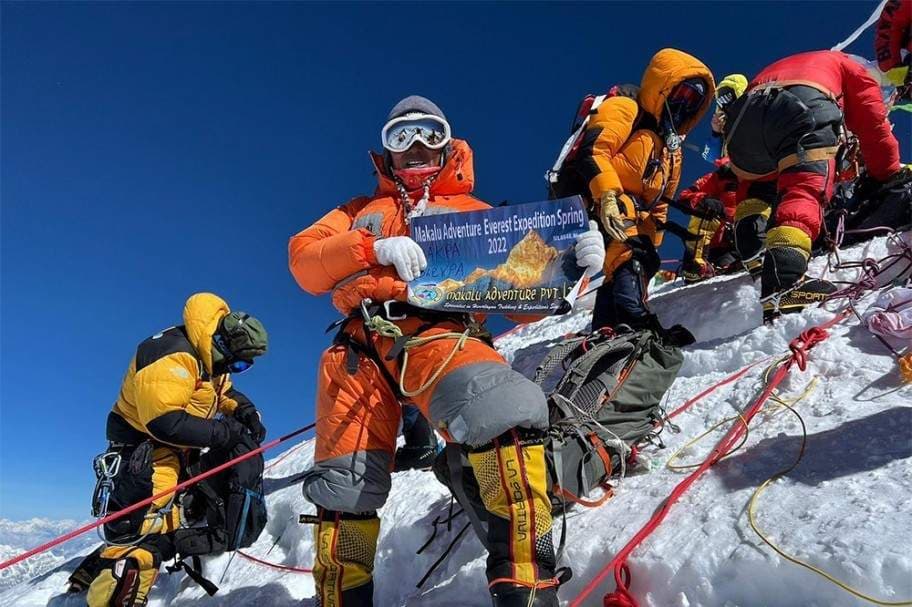
Nepal, home to the mighty Himalayas, is a dream destination for climbers worldwide. With eight of the world’s fourteen highest peaks, including Mount Everest, it’s no surprise that Nepal is often referred to as the ultimate haven for mountaineering. However, scaling these majestic mountains requires more than just preparation and courage—it requires obtaining the right permits. Understanding the costs and requirements of climbing permits is crucial for a well-planned expedition.
Understanding Climbing Permits in Nepal
Every climber, whether a novice or a seasoned mountaineer, must obtain permits to scale Nepal’s peaks. These permits serve as a means for the government to regulate climbing activities, promote safety, and ensure the conservation of the pristine Himalayan environment.
Permit fees vary based on factors such as:
- The mountain’s elevation.
- The season (spring, autumn, winter, or summer).
- The climber’s nationality.
- The route selected for the ascent.
To simplify the process, Nepal’s government has categorized mountains by their height, and fees are structured accordingly.
Mount Everest (8,848m)
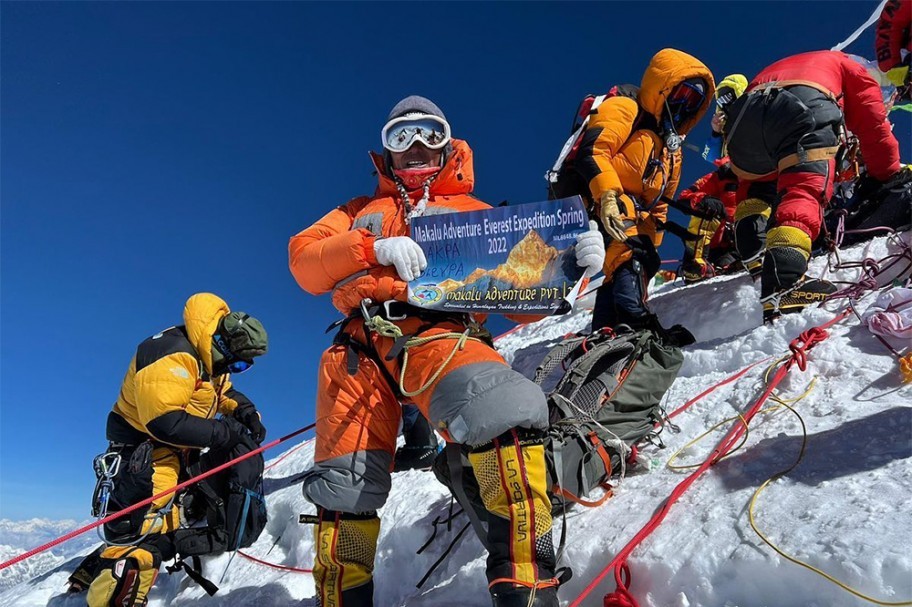
With no doubt, Climbing everest is the most preferred adventure among the travel enthuiastics. Lots of mountaineers and climbers set their step to climb roof of the world, The Mount Everest. The permit fees for Everest are higher compared to other peaks, reflecting its prestige and the challenges involved.
| Route | Spring (USD) | Autumn (USD) | Winter/Summer (USD) |
|---|---|---|---|
| Normal Route | $11,000 | $5,500 | $2,750 |
| Other Routes | $10,000 | $5,000 | $2,500 |
Details:
- The spring season is the most expensive, costing $11,000 for the Normal Route and $10,000 for other routes. Almost all the climbers and mountaineers preferes to climb Everest during spring. In the spring of 2024, around 600 people reached the summit of Mount Everest from the Nepalese side, including 200 foreigners:
- Fees drop significantly in autumn and winter/summer, making these seasons more cost-effective for climbers.
- Nepalese climbers pay 75,000 NPR for the Normal Route during spring, with reduced rates for other seasons.
Mountains Above 8,000m (Except Everest)
Nepal is home to several peaks above 8,000m, including Mount Kanchenjunga, Mount Lhotse, and Mount Makalu. These mountains offer thrilling challenges with lower permit costs compared to Everest.
| Season | Foreign Climbers (USD) | Nepalese Climbers (NPR) |
|---|---|---|
| Spring | $1,800 | 10,000 |
| Autumn | $900 | 5,000 |
| Winter/Summer | $450 | 2,500 |
Details:
- Permit fees range from $1,800 in spring to $450 in winter/summer for international climbers.
- Nepalese climbers enjoy substantially reduced rates, encouraging local participation.
Mountains 7,501m to 7,999m
This category includes peaks like Mount Annapurna and Mount Dhaulagiri, which are less popular but equally mesmerizing.
| Season | Foreign Climbers (USD) | Nepalese Climbers (NPR) |
|---|---|---|
| Spring | $600 | 8,000 |
| Autumn | $300 | 4,000 |
| Winter/Summer | $150 | 2,000 |
Details:
- These mid-range peaks are an excellent choice for climbers seeking high-altitude challenges at more affordable rates.
- Spring remains the costliest season, while winter/summer are budget-friendly.
Mountains 7,000m to 7,500m
Peaks in this range, such as Himlung Himal and Baruntse, are ideal for climbers preparing for higher altitudes.
| Season | Foreign Climbers (USD) | Nepalese Climbers (NPR) |
|---|---|---|
| Spring | $500 | 6,000 |
| Autumn | $250 | 3,000 |
| Winter/Summer | $125 | 1,500 |
Details:
- Permit fees are modest, starting at $500 in spring and dropping to $125 in winter/summer.
- These peaks serve as great training grounds for climbers aiming to scale larger mountains.
Mountains 6,501m to 6,999m
Smaller but challenging peaks like Mera Peak and Island Peak fall in this category.
| Season | Foreign Climbers (USD) | Nepalese Climbers (NPR) |
|---|---|---|
| Spring | $400 | 5,000 |
| Autumn | $200 | 2,500 |
| Winter/Summer | $100 | 1,250 |
Details:
- These peaks are a favorite for climbers seeking technical climbs without venturing into extreme altitudes.
- Nepalese climbers enjoy rates as low as 1,250 NPR during winter/summer.
Mount Amadablam (6,812m)
Mount Amadablam is one of Nepal's most iconic peaks, known for its technical routes and stunning views.
| Season | Foreign Climbers (USD) | Nepalese Climbers (NPR) |
|---|---|---|
| All Seasons | $400 | 8,000 |
Details:
- Permit fees remain consistent across all seasons, making Amadablam a straightforward option for climbers year-round.
- The uniform rate of 8,000 NPR for Nepalese climbers ensures consistent affordability.
Mountains Below 6,500m
Smaller peaks like Chulu West and Pisang Peak fall under this category, perfect for beginners and intermediate climbers.
| Season | Foreign Climbers (USD) | Nepalese Climbers (NPR) |
|---|---|---|
| Spring | $250 | 4,000 |
| Autumn | $125 | 2,000 |
| Winter/Summer | $70 | 1,000 |
Details:
- These peaks are the most accessible in terms of both difficulty and cost.
- Foreign climbers pay as little as $70 in the winter/summer season, while Nepalese climbers benefit from rates as low as 1,000 NPR.
Additional Notes for Climbers
- Environmental Conservation: A refundable garbage deposit is often required to ensure climbers adhere to waste management practices.
- Insurance: Climbers must secure insurance covering high-altitude risks, including rescue operations.
- Local Guidance: It's essential to coordinate with local trekking agencies or guides for logistical support and updated regulations.
Conclusion
Planning a mountaineering expedition in Nepal requires careful consideration of permit costs and regulations. Each mountain has a unique fee structure catering to both international and local climbers. By understanding these details, adventurers can better prepare for their Himalayan journey, ensuring both safety and an unforgettable experience.