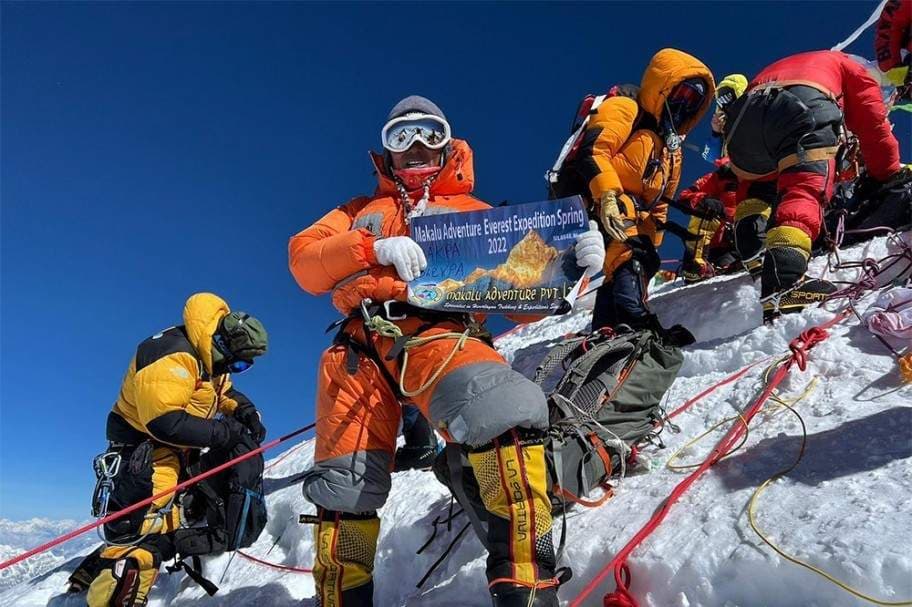
Climbing Mount Everest is one of the most ambitious goals a person can set. Among the available routes, the Everest Expedition from South Side (via Nepal) is the most popular and widely chosen path by climbers from around the world. This route combines established infrastructure, experienced Sherpa support, and a well-documented climbing process, making it the preferred option for both first-time Everest climbers and seasoned mountaineers.
This guide explains everything you need to know in a simple, structured, and professional manner—from routes and costs to timing and preparation.
1. Overview of the Everest South Side Expedition
The southern route to Everest begins in Nepal and follows the historic path taken by Sir Edmund Hillary and Tenzing Norgay in 1953. This journey is not just a climb; it is a carefully planned expedition that typically takes 6 to 9 weeks to complete.
Key highlights of the South Side route:
- Starts from Lukla and moves through the Khumbu region
- Passes through Everest Base Camp (5,364m)
- Follows the South Col route Everest to reach the summit (8,848.86m)
- Supported by experienced Sherpa climbers and guides
This route is considered more accessible compared to the northern side due to better logistics, rescue options, and infrastructure.
2. Route Breakdown: Step-by-Step Climbing Journey
Understanding the route is essential for anyone planning to summit Everest from Nepal.
Base Camp to Camp I
The journey begins at Everest Base Camp. From here, climbers enter the dangerous Khumbu Icefall climbing section.
Khumbu Icefall
- One of the most hazardous parts of the climb
- Features moving ice towers, deep crevasses, and ladders
- Climbers cross early in the morning for safety
Camp I to Camp II
- A relatively flat but physically demanding valley
- High temperatures during the day can be exhausting
Camp II to Camp III (Lhotse Face)
- Steep ice wall climb using fixed ropes
- Requires technical climbing skills and endurance
Camp III to Camp IV (South Col)
- Entry into the “Death Zone” above 8,000 meters
- Oxygen support becomes critical
Final Summit Push
From Camp IV, climbers make their final ascent:
- Overnight climb in extreme cold
- Pass through the Hillary Step
- Reach the summit at sunrise
This is the final stage to successfully summit Everest from Nepal.
3. Best Time to Climb Everest
The best time to climb Everest via the South Col route (Nepal) is during the spring season, typically from late April to mid-May, when weather conditions are most favorable for a successful ascent. During this period, the powerful jet stream that normally batters the summit with extreme winds begins to shift northward, creating a short but critical “summit window” with lower wind speeds, clearer skies, and more stable conditions. This is also when expedition teams have fully established camps along the route, and the path through the Khumbu Icefall has been secured with fixed ropes and ladders, making the climb more manageable. For anyone planning an Everest Expedition from South Side, spring offers the highest success rates and safer climbing conditions compared to other seasons. Although autumn (September to October) is considered a secondary option with fewer crowds and clear views, it presents colder temperatures and less predictable weather, making it less popular for most climbers. Choosing the right timing is essential, as even the most experienced mountaineers rely on these narrow weather windows to safely summit Everest from Nepal, making spring the preferred season for both commercial and professional expeditions alike.
Spring vs Autumn: Best Seasons to Climb Everest (South Col Route, Nepal)
| Factor | Spring Season (April – May) | Autumn Season (Sept – Oct) |
|---|---|---|
| Climbing Popularity | Most popular season; majority of climbers choose this time | Less crowded; fewer expeditions |
| Success Rate | Highest success rates for those aiming to summit Everest from Nepal | Lower success rate due to harsher conditions |
| Weather Conditions | More stable and predictable | Less stable; weather can change quickly |
| Jet Stream Effect | Moves away from Everest, reducing wind speeds | May still affect summit with strong winds |
| Temperature | Relatively warmer (still extremely cold) | Colder, especially at higher camps |
| Summit Window | More frequent and longer summit windows | Shorter and less predictable summit windows |
| Route Preparation | Fully fixed routes, ladders, and ropes in place (including Khumbu Icefall climbing) | Routes may require re-fixing after monsoon |
| Khumbu Icefall Stability | More stable in early mornings | Can be more unpredictable post-monsoon |
| Crowds / Traffic | High traffic, possible delays near summit | Minimal crowding, quieter experience |
| Visibility & Views | Good visibility with occasional haze | Very clear skies and sharp mountain views |
| Guided Expeditions Availability | Wide range of Everest guided expedition options | Limited operators available |
| Overall Recommendation | ✅ Best time to climb Everest | ⚠️ Suitable for experienced climbers only |
4. Everest Climbing Cost in Nepal: Complete Breakdown
Climbing Mount Everest is not only a physical and mental challenge but also a significant financial investment. The Everest climbing cost Nepal varies widely depending on the level of service, logistics, and support you choose. For anyone planning an Everest Expedition from South Side, understanding these costs in detail is essential for proper preparation and budgeting.
Overall Cost Range
The total cost of climbing Everest from Nepal typically ranges between $30,000 to $120,000+ per person. This wide range reflects differences in expedition quality, guide experience, group size, and included services.
Budget expeditions may offer basic logistics with limited support, while premium packages provide luxury base camps, highly experienced guides, and additional safety measures. Most climbers aiming to summit Everest from Nepal opt for mid-range to high-end packages to increase safety and success rates.
Everest Permit 2025 Cost
One of the largest fixed expenses is the government climbing permit. The Everest permit 2025 issued by Nepal costs approximately $11,000 per climber for the spring season.
This fee allows climbers to access the mountain via the South Col route and is mandatory for all expeditions. It does not include other essential costs such as logistics, guides, or equipment, making it just one part of the total budget.
Everest Guided Expedition Costs
< >Most climbers choose an Everest guided expedition, which significantly impacts the overall price.Types of Expedition Packages:
- Budget Expeditions ($30,000 – $45,000)
Basic logistics, shared Sherpa support, limited oxygen supply, and minimal services. - Standard Expeditions ($45,000 – $70,000)
Balanced support with experienced guides, proper acclimatization plans, and reliable logistics. - Premium Expeditions ($70,000 – $120,000+)
High-end services including personal Sherpas, luxury base camp facilities, additional oxygen, and top-tier safety protocols.
Choosing the right package is critical, especially on the South Col route Everest, where proper support can make a significant difference in safety and success.
Sherpa Support and Guide Fees
Sherpas play a vital role in every Everest expedition. Their expertise in navigating difficult sections like the Khumbu Icefall climbing route is invaluable.
Costs typically include:
- Personal climbing Sherpa: $5,000 – $8,000
- Tips and bonuses: $1,000 – $2,000+
- Expedition guides (Western guides, if included): additional cost
Investing in experienced support increases both safety and efficiency during the climb.
Oxygen and Equipment Costs
Supplemental oxygen is essential above 8,000 meters and is a major cost component.
Oxygen Costs:
- Oxygen cylinders and regulators: $3,000 – $6,000
- Additional backup oxygen (recommended): extra cost
Personal Gear:
- High-altitude clothing (down suits, boots, gloves): $5,000 – $10,000
- Technical equipment (crampons, harness, ice axe): $1,000 – $3,000
Proper equipment is critical for surviving extreme conditions and successfully completing an Everest Expedition from South Side.
Logistics and Base Camp Services
Logistics cover everything from transportation to daily living on the mountain.
Included Services:
- Domestic flights (Kathmandu to Lukla)
- Trekking and accommodation before Base Camp
- Food and cooking staff at Base Camp and higher camps
- Tents, communication systems, and power supply
These services are typically included in guided expedition packages but vary in quality depending on the operator.
Insurance and Emergency Costs
Insurance is mandatory and often overlooked in budgeting.
Required Coverage:
- High-altitude rescue insurance
- Medical evacuation (helicopter rescue)
- Travel and trip cancellation insurance
Estimated cost: $500 – $2,000+
Emergency rescues on Everest are expensive, so proper insurance is essential.
Additional Costs to Consider
Beyond the main expenses, climbers should budget for:
- Visa and travel expenses
- Hotel stays in Kathmandu
- Tips for staff and Sherpas
- Training and preparation costs
- Personal snacks and extra supplies
These additional costs can add $2,000 – $5,000+ to the total budget.
Is Climbing Everest Worth the Cost?
The Everest climbing cost Nepal may seem high, but it reflects the complexity, risk, and scale of the expedition. From navigating the Khumbu Icefall climbing section to making the final push to summit Everest from Nepal, every aspect requires careful planning, skilled manpower, and specialized equipment.
For most climbers, this is not just a trip—it is a once-in-a-lifetime achievement. Investing in a reliable Everest guided expedition with proper safety measures is not just recommended, but necessary.
5. Everest Permit 2026
To climb Everest from Nepal, a government-issued permit is mandatory.
Permit Details:
- Everest permit 2025 cost: Approximately $11,000 per climber (spring season)
- Issued by the Nepal Department of Tourism
- Valid only for a specific climbing season
This permit is one of the largest fixed costs in the expedition budget.
6. Everest Guided Expedition: Why It Matters
Most climbers choose an Everest guided expedition for safety, logistics, and success rate.
Benefits of Guided Expeditions:
- Experienced guides and Sherpa climbers
- Pre-fixed ropes and route management
- Medical and emergency support
- Organized camps and meals
Types of Guided Expeditions:
- Fully Guided – Maximum support, ideal for less experienced climbers
- Semi-Guided – Some independence with basic support
- Logistics Only – For highly experienced climbers
A guided expedition significantly increases your chances of reaching the summit safely.
7. Physical and Mental Preparation
Climbing Everest is physically and mentally demanding.
Physical Requirements:
- Strong cardiovascular endurance
- High-altitude experience (6,000–7,000m peaks recommended)
- Strength and stamina training
Mental Preparation:
- Ability to handle extreme conditions
- Patience during long acclimatization periods
- Decision-making under pressure
Proper training should begin at least 6–12 months before the expedition.
8. Risks and Challenges
Despite modern advancements, Everest remains dangerous.
Major Risks:
- Altitude sickness (AMS, HAPE, HACE)
- Extreme weather changes
- Avalanches and falling ice
- Fatigue and oxygen depletion
The Khumbu Icefall climbing section and the Death Zone are particularly high-risk areas.
9. Environmental Responsibility
With increasing climbers, environmental concerns have grown.
Current Measures:
- Mandatory waste management policies
- Deposit refunds for waste return
- Clean-up campaigns
Climbers are encouraged to follow sustainable practices and respect the mountain.
10. Final Thoughts
An Everest Expedition from South Side is more than a physical journey—it is a test of endurance, discipline, and determination. From navigating the South Col route Everest to overcoming the challenges of the Khumbu Icefall climbing, every step requires preparation and respect for the mountain.
While the Everest climbing cost Nepal and permit requirements may seem high, the experience of standing on the highest point on Earth is unmatched. Choosing the best time to climb Everest, joining a reliable Everest guided expedition, and preparing thoroughly are key to success.
For those who dream big and prepare well, the opportunity to summit Everest from Nepal is not just a possibility—it is an achievable goal.